
Skip to content
Scott's Backhoe Service logoCall (434) 296-2805
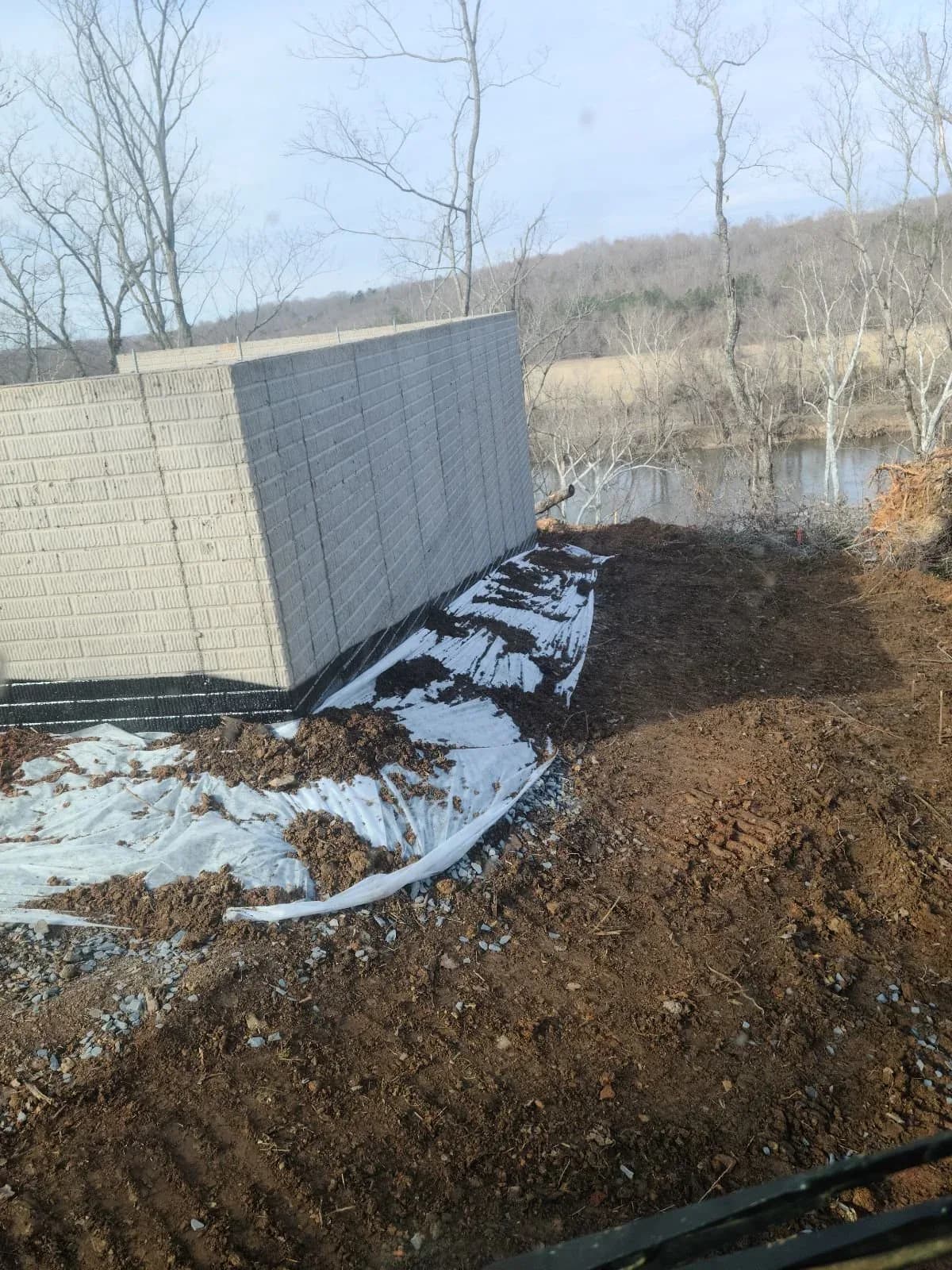
Drain tile installation at a foundation footer in Fluvanna County, Virginia

Family owned since 1978

Septic and excavation resources for Central Virginia homeowners

Straight answers to the questions we get asked most, without the sales pitch.

  • Serving Central Virginia since 1978
  • Virginia Class A Contractor #2705017933
  • Licensed & insured
  • Free estimates

Signs your drain field is failing

Wet or spongy ground over the field. A smell that comes and goes. Drains that gurgle or back up when the washing machine runs. Grass that's noticeably greener over the field than the rest of the yard.

One of those on its own might be something else. Two or three together usually isn't.

Drain field repair and replacement

How often a septic tank needs pumping

It depends on the size of the tank and how many people are in the house — most households land somewhere in the three-to-five-year range.

Pumping on schedule is the cheapest thing you can do for a septic system, because solids that escape the tank end up in the drain field, and the drain field is the expensive part.

Septic tank pumping

What a Virginia septic permit involves

A new septic system or a drain field replacement in Virginia requires a permit and a soil evaluation through the Virginia Department of Health. The soil work establishes whether the site will take the system and where the field can go.

We handle that process as part of the job rather than sending you off to arrange it yourself.

Septic system installation

Buying a house on septic

A septic system is the most expensive thing on a rural property that a walkthrough tells you nothing about. A system about to fail looks exactly like one that isn't.

Have it looked at before closing, while a problem is still something you can negotiate over.

Septic inspection for a home sale

Why your yard holds water

Standing water is almost always two problems together: water arriving somewhere it shouldn't, and no route for it to leave. Fixing one without the other doesn't hold.

The fix usually combines regrading with an actual discharge point — a drain to daylight, a French drain, or a culvert sized for the water coming off the ground above you.

Drainage and drain tile

Before you call anyone about a wet basement

Check the gutters and downspouts first, and look at where the ground meets the foundation. A surprising share of wet basements are roof water being delivered straight to the footer.

If that's not it, the water is coming through or under the foundation, and that's an excavation and drainage question rather than a sealant question.

Drainage and drain tile

Still not sure what you're looking at?

Call us and describe it. We'll tell you honestly whether it needs us.

Call (434) 296-2805